Yoga
Morning Yoga for Beginners: A 10-Minute Practice Plan
By Sweat & Snack Editorial Team · 2026-10-07
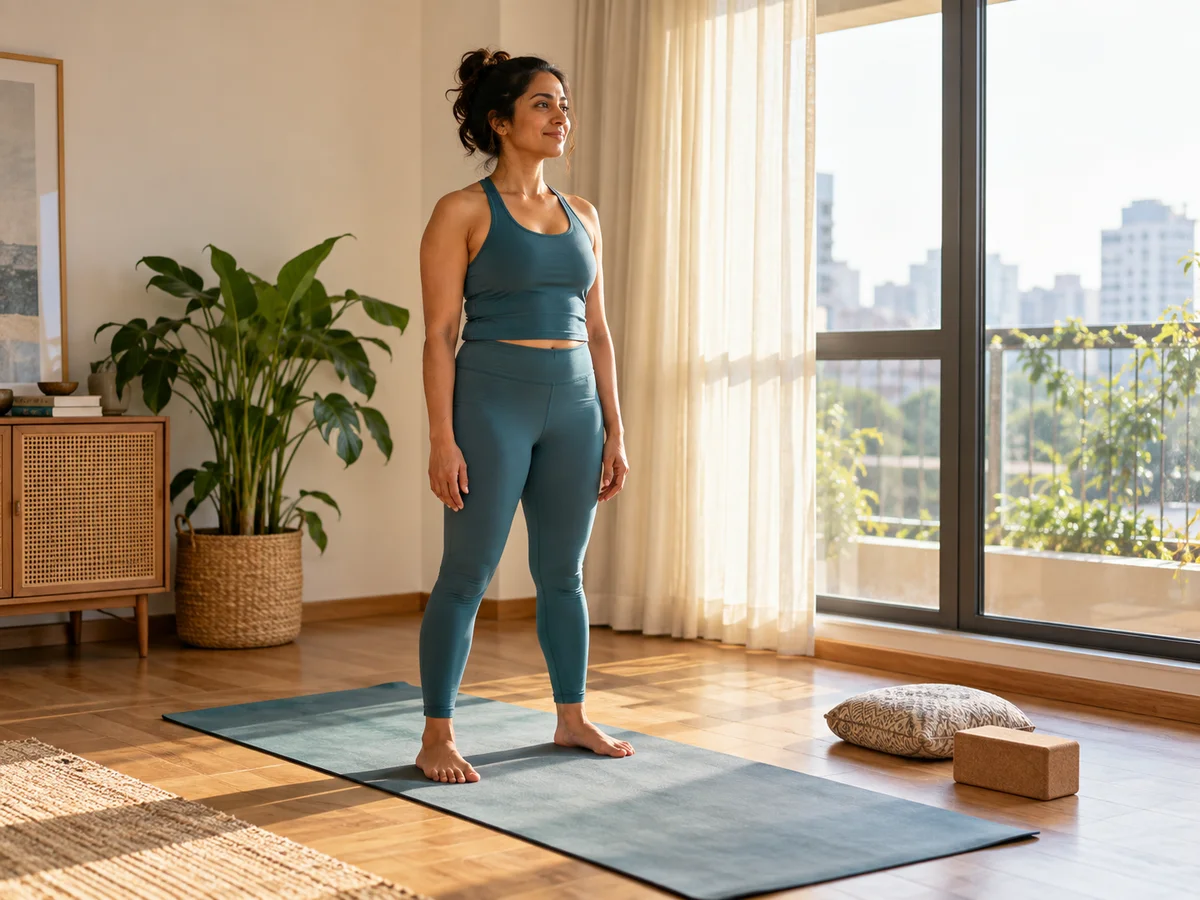
A beginner morning yoga practice can start with a quiet space, a comfortable position and a few movements you have already learned. If you have ten minutes, you could use two to settle, six for a familiar gentle sequence, and two to finish. This is a suggested way to organize a practice, rather than a tested prescription for a health result.
You do not need to perform a long sequence before breakfast or copy the most flexible person in a video. The useful starting question is simpler: what can I practice comfortably, with enough attention to understand the instructions? If yoga is completely new to you, first learn the movements with a qualified instructor and use this guide to plan the time around that lesson.
What morning yoga means in this guide
Yoga has roots in Indian philosophy and includes more than exercise. The US National Center for Complementary and Integrative Health (NCCIH) describes common contemporary practice as combining postures, breathing techniques and meditation. A short morning session can make room for those elements without trying to cover every part of yoga.
Here, “morning” is a scheduling choice. We are not claiming it is medically better than another time of day. If afternoons suit your life, use the same planning ideas then. The ten-minute length is also flexible: choose a shorter session when you need one, or follow the duration suggested by your instructor.
Set up a small practice space
As a practical suggestion, choose a patch of floor where you can move your arms without hitting furniture. Put your phone where you can hear instructions without repeatedly twisting to see it. A mat, folded towel or cushion may be useful, depending on the positions you have learned. Keep any chair support stable, without wheels, on a surface where it will not slide.
You could lay out your mat the evening before and leave a note with the sequence name. Treat equipment as a convenience, not a requirement to purchase a complete kit. If a movement requires a support you do not have, ask your instructor for an alternative rather than improvising with unstable furniture.
A suggested 10-minute morning practice plan
The following timeline is a planning template. Select movements that an instructor has shown you and adapt the time to your needs. It does not provide personalized technique assessment. Keep breathing comfortable; there is no need to hold your breath, force a stretch or reach a particular depth.
Minutes 1–2: Settle in a comfortable position
Choose sitting on a chair, sitting on a cushion or standing comfortably, whichever suits the practice you have learned. Notice the contact of your feet or seat with the support beneath you. Let your breathing remain natural. You could choose a simple intention such as “move with attention” instead of setting a performance target.
Minutes 3–5: Revisit one familiar posture
Return to a gentle posture or movement taught in your beginner lesson. An instructor might include a comfortable standing posture or a seated arm movement, depending on your needs. Practice the version you were shown rather than adding deeper bends or longer holds because an online photograph looks impressive. Pause between attempts when useful.
Minutes 6–8: Add a familiar transition
If you have learned a short sequence, repeat a small section at an unhurried pace. For example, you might alternate a familiar seated movement with an upright resting position. Follow your instructor’s cues for the transition. If changing between floor and standing positions feels awkward, choose a session that stays in one position and discuss other options at your next lesson.
Minutes 9–10: Finish and make a note
End in a comfortable resting position from your lesson. Allow a little time before moving into the next task. You could note which instruction was clear and which needs a teacher’s explanation. Stop or skip a movement that causes pain, dizziness or other concerning symptoms, and seek individualized advice when needed.
Safety and choosing a beginner lesson
NCCIH’s yoga guidance recommends learning with a qualified instructor. It advises beginners to avoid extreme practices such as headstands, shoulder stands, lotus posture and forceful breathing. It also notes that hot yoga carries overheating and dehydration risks.
NCCIH advises pregnant people, older adults and people with health conditions to discuss individual needs with their health care provider and yoga instructor. A short session is not automatically suitable for everyone. Tell a teacher about relevant limitations and ask how a movement can be adjusted before trying it.
When choosing a class or video, look for an instructor who explains the starting position, transitions, options and reasons to stop. Ask about their training and experience. A label such as “beginner” does not replace advice tailored to your situation.
Connect morning practice with the rest of your day
Use our meal and movement planner to reserve a realistic practice window. If your day involves desk work, the desk-mobility guide offers a separate work-break suggestion. Keep the two purposes clear: a planned yoga session and an optional interruption to sitting.
For a broader look at weekly movement, read our weekly activity guide. Do not assume this ten-minute planning template covers all your activity needs. Make choices across the week that fit your interests and circumstances.
Frequently asked questions
Do I have to be flexible before I start?
A useful approach is to ask a qualified teacher for an appropriate starting version instead of trying to match a photograph. Decide what is comfortable for you with their guidance.
Should I practice every morning?
There is no required streak in this plan. You could start with a few mornings that fit your schedule and review how the arrangement works. Missed days do not need an extra-long replacement session.
Will ten minutes produce a particular health result?
This guide makes no such promise. It suggests a way to arrange practice time; it does not establish a treatment, a weight-loss program or a guaranteed outcome.
Sources and editorial notes
Yoga context and safety guidance were checked against NCCIH: Yoga—Effectiveness and Safety on 7 October 2026. The timeline, setup ideas and planning examples are original practical suggestions from Sweat & Snack. The feature image is AI-generated and depicts a fictional adult in a morning practice space. It is an illustrative scene, not personalized posture instruction.
General educational information; it does not replace individual instruction or medical advice.