Articles are currently available in English.
Exercise
Gym Machine Taken? Choose a Backup Without Copying the Weight
By Sweat & Snack Editorial Team · 2026-10-18
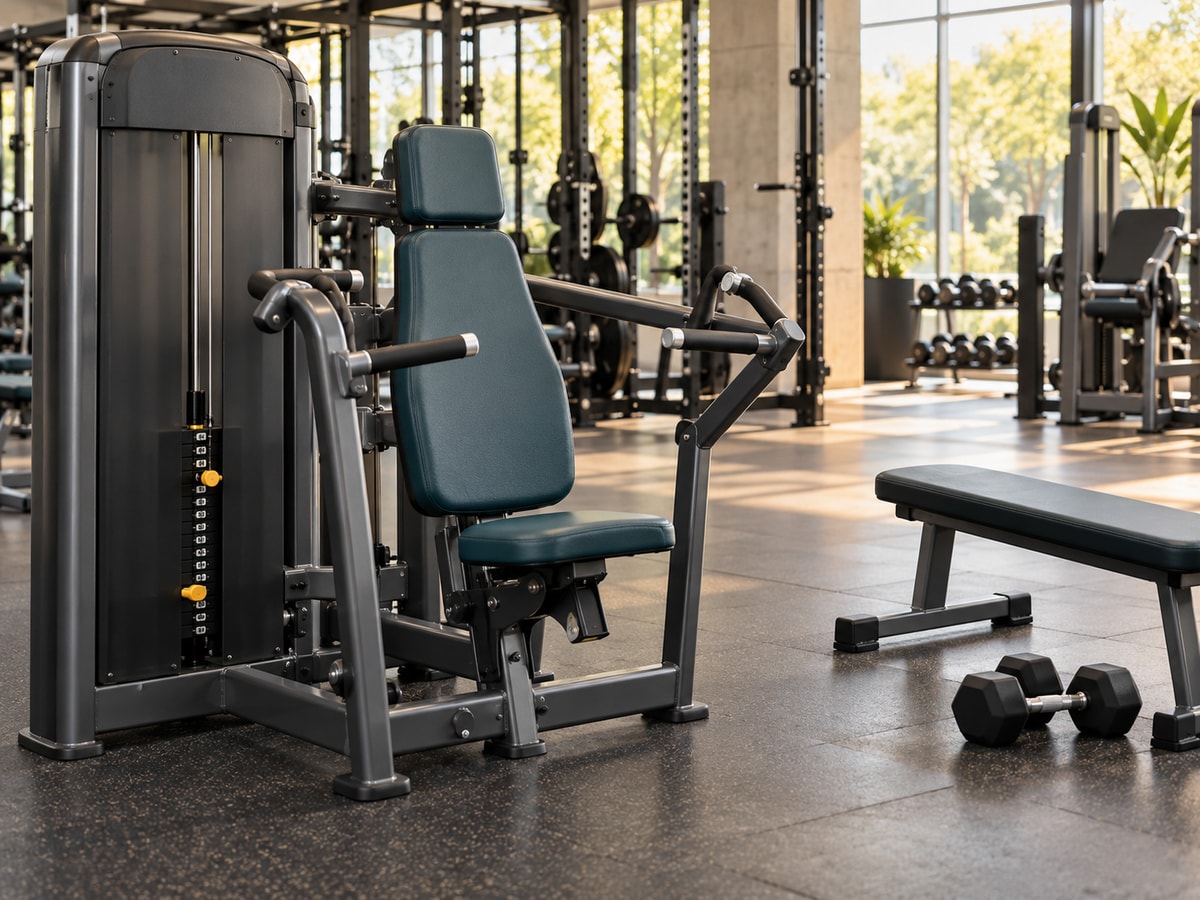
If a gym machine is taken, decide what that exercise was meant to do before choosing a replacement. You can wait, move to another planned exercise, use a familiar backup agreed with your trainer, or leave that slot unfilled. If you change equipment, choose the load for the new exercise; do not copy the number from the unavailable machine.
This comparison is for adults who already follow a resistance-training programme and know the equipment they use. The decision process is an editorial planning suggestion, not a personalised prescription or a promise that two exercises produce identical results. Follow your coach's programme and any individual clinical restrictions.
First ask: is today about a particular lift?
There is a difference between practising a specific lift and doing an exercise selected as one part of a broader session. If your coach wants to assess your usual chest press on your usual machine, a different press cannot supply that same test result. Ask whether to wait, revisit the station later or record the test as not performed.
If the exercise is a flexible part of your programme, ask your trainer to name a familiar alternative in advance. Bring a concrete question: “When this station is occupied, which exercise can I use, and what should change about the setup and load?” That is more useful than assuming every exercise with “chest” in its name is interchangeable.
Compare four choices on the gym floor
Wait or ask to work in
Ask politely how many sets remain. If the gym permits sharing and both people can change the setup conveniently, you can ask to work in. Accept a refusal and follow local rules. Avoid leaving belongings on several stations to reserve them. Waiting is a reasonable choice when the specific exercise matters more than completing the session in a particular order.
Move to another planned exercise
If your programme allows changes of order, move to a planned exercise rather than inventing extra work while waiting. Keep the original slot marked as pending. Ask your coach beforehand which order changes fit your plan; this guide cannot determine that from the equipment available.
Use a familiar, pre-agreed backup
Choose something you have been taught and can set up confidently. Confirm the exercise name, seat or bench position, resistance and intended work with the person guiding your training. A chest-press machine and a dumbbell bench press can be discussed as possible options, but the pairing here is a question for your trainer, not an automatic substitution instruction.
Leave the slot unfilled
If you have no suitable familiar option, write “not performed: equipment occupied.” Do not treat an empty space in the plan as an obligation to try an unfamiliar lift. The next step can be a question for your coach. If the whole session needs rearranging, our missed-workout planning guide addresses that separate scheduling decision.
Reset the weight when the exercise changes
Keep the old exercise's load beside its own name. Do not turn a machine-stack number into a dumbbell target using a percentage or a guessed conversion. Treat the backup as its own exercise and use the load-selection instructions for that movement. If you need help, ask a qualified trainer to check your setup before working sets.
Mayo Clinic's technique guidance advises learning each exercise correctly, reducing weight or repetitions if form cannot be maintained, and stopping an exercise that causes pain. It also recommends a technique check with a trainer for experienced lifters. Familiarity with one machine does not replace instruction on another movement.
Our dumbbell load-selection guide explains per-hand labels and questions to ask an instructor. For this gym decision, the practical point is to choose and record the backup's own load instead of trying to preserve a number.
What the research does and does not answer
A 2023 study of 38 resistance-trained men compared eight weeks of closely matched free-weight or machine training. Both groups improved measured strength and muscle size, with particularly strong improvements in the modality they trained. The study does not establish a kilogram conversion, test every possible exercise pair, or guarantee the result of a one-session swap.
In its 2026 resistance-training update, the American College of Sports Medicine reports that equipment type did not consistently affect outcomes for the average healthy adult. It also stresses individual goals and specific plans for athletes and avid trainees. That supports discussing options; it does not make every available machine a suitable replacement for your programme.
Keep the planned and performed exercises separate
Here is a suggested note for an equipment interruption. The names illustrate record keeping and are not an exercise prescription:
- Planned: usual seated chest-press machine.
- Reason changed: station occupied.
- Performed: the exact backup name approved by my trainer, or not performed.
- Setup and result: actual equipment, load with units, and completed sets and repetitions.
- Next visit: return to the original plan unless my coach changes it.
Keep results for different exercises in separate histories. Do not label the backup's number a personal best on the original machine. Our workout-log guide provides a simple format if you need one; the additional detail here is why the exercise changed.
Prepare one useful question before your next visit
Pick the station that most often interrupts your routine and ask your trainer for one suitable fallback, including its setup and how to select resistance. Keep that decision with your programme. A short agreed option is easier to use than an unreviewed list of dozens of swaps.
Sweat & Snack is building an app for more personal planning and tracking. If a clearer record of your programme and changes would help, join the app waitlist. The current website offers education; it does not automatically choose a safe substitute for you.
Sources
Checked 18 October 2026. The gym-floor choices and note format are editorial suggestions. Factual technique and research context come from:
Mayo Clinic: Weight training technique
Hernández-Belmonte and colleagues: Free-weight and machine-based training, 2023
ACSM: 2026 resistance-training update