Articles are currently available in English.
Exercise
Strength or Muscular Endurance? Pick Your Next Training Goal
By Sweat & Snack · 2026-10-30
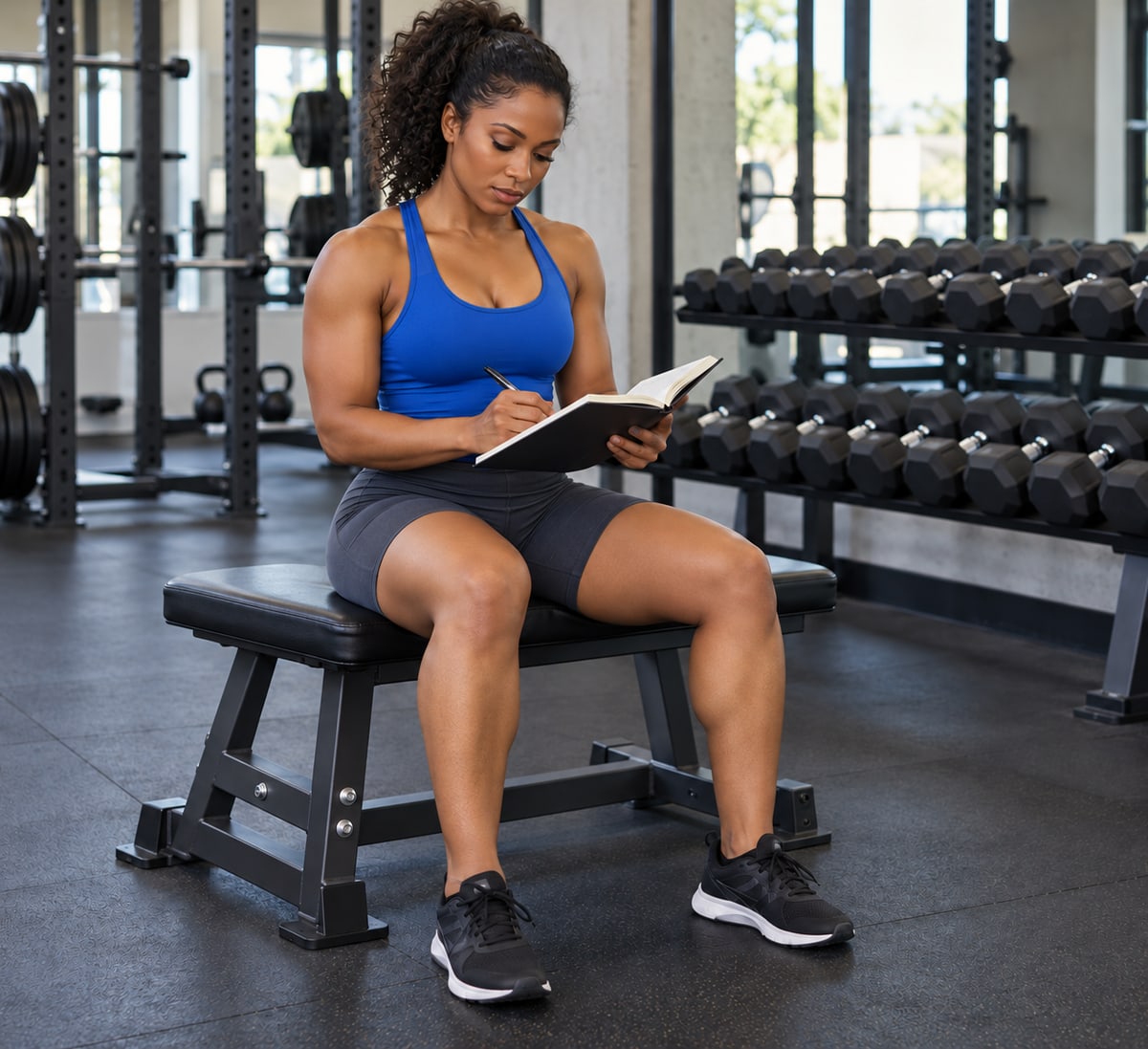
If you already train regularly, “get stronger” can hide two different questions: do you want to handle more resistance in a familiar movement, or repeat a manageable task for longer? Choose which question matters most for the next few weeks before changing your programme. That makes progress easier to interpret.
This is a planning guide for adults with an established routine and familiar technique. It is not a complete workout, a maximal-strength test or a promise of results within a deadline. A qualified trainer can help turn your goal into a suitable programme, particularly if you want to introduce heavier or unfamiliar lifting.
Put the goal into an ordinary sentence
For a strength emphasis, your sentence might be: “I want the resistance I can control for my usual row to increase, while keeping the same movement and setup.” For a muscular-endurance emphasis: “I want to repeat this familiar exercise more times at the same manageable resistance and with the same movement standard.” These are examples of questions to discuss, not targets that everyone should adopt.
Local muscular endurance is also different from the whole-body stamina you might want for running or cycling. Completing more repetitions of one exercise does not by itself demonstrate that your running endurance improved. Name the task you want to improve rather than treating every form of fitness as one score.
What the current evidence supports
The 2026 ACSM position stand reviewed resistance-training evidence in healthy adults. Heavier loading was among the variables that enhanced strength. Its supplemental evidence summary also reports muscular-endurance outcomes, with limitations in what can be concluded about the best prescription. That is a reason to avoid treating one high-repetition formula as universally optimal.
The official ACSM summary stresses consistency and matching training to the goal; it does not make momentary muscular failure a requirement for the average healthy adult. Those findings guide the conversation. They do not tell a website reader which dumbbell to pick today, or replace technique assessment.
Use one comparison you can repeat
Choose a familiar exercise from your existing programme. Write its version, equipment, resistance, planned repetitions, set count and rest. Keep the units clear: a load per hand is different from the total for a pair. If a machine is involved, note which machine and its settings; stack numbers do not transfer neatly between models.
For a strength-focused discussion, compare how a known load and your agreed repetition range fit together. For an endurance-focused discussion, keep the resistance and task standard steady enough to interpret any change in repetitions. In either case, note a shorter range, assistance, an equipment swap or a changed rest period. More numbers with a different task are useful information, but not a like-for-like improvement.
A simple review block, not a new workout
Here is an editorial example of how to organise a conversation with your trainer across several weeks. Keep your existing warm-up, recovery days and exercise instructions; this schedule adds no extra training sessions.
- At the start: choose one priority and one familiar exercise to observe. Agree what counts as a controlled repetition and when to finish the set. Pick a realistic review date together rather than demanding a weekly personal best.
- During the first week: record what actually happens in the existing plan. Do not turn the baseline into an all-out test. Note interruptions, unusual fatigue or a changed setup.
- During the following week: repeat the planned comparison where appropriate. Let the programme determine the work; the desire for a better log number is not a reason to add unplanned sets.
- At review: look across several comparable sessions. Discuss whether to repeat the current plan, change one variable, or choose a better-matched task. No improvement in a short window is not an instruction to increase everything.
Why changing everything hides the answer
Suppose you use a lighter dumbbell, shorten the movement and rest longer, then complete more repetitions. You have changed several conditions. That does not establish how much muscular endurance changed. Similarly, lifting a heavier weight once with help does not answer whether you can perform your planned sets with the intended control.
As a practical suggestion, write the change beside the result instead of deleting the session or labelling it a failure. Training records are context, not a competition. Our workout-log guide supplies a simple recording format; here the extra step is deciding what question those records should answer.
Keep the setup inside the plan
Use stable equipment, adequate clearance and a dry surface. Follow the gym or manufacturer instructions for racks, benches, adjustable weights and safety devices. Put weights down securely before writing, checking your phone or moving equipment. The photographs show a planning moment between sets, not instructions to balance weights while distracted.
ACSM free-weight guidance recommends proper instruction and appropriate spotting for heavy or unfamiliar lifting. Arrange qualified supervision and the right safety setup for the actual exercise; an unprepared friend is not a substitute. Do not self-test a maximum because an article mentions heavier training. Stop for pain, dizziness or feeling unwell and seek individual advice when needed.
Choose your next question
If the goal is clearer but the next rack increment is too large, read how to handle a dumbbell load gap. If inconsistent recovery between sets is confusing the comparison, use the heavy-set rest guide. Neither equipment nor rest is the whole goal: decide which outcome you are tracking, then make the plan and comparison suitable for it.
Sources checked 30 October 2026. The review-block example is an editorial planning tool, not a studied intervention or guaranteed progression schedule. Photographs depict a fictional AI-generated adult; the model's physique is not an outcome promised by this guide.