Articles are currently available in English.
Exercise
Walking Intervals: Add a Round or Walk Faster?
By Sweat & Snack · 2026-10-31
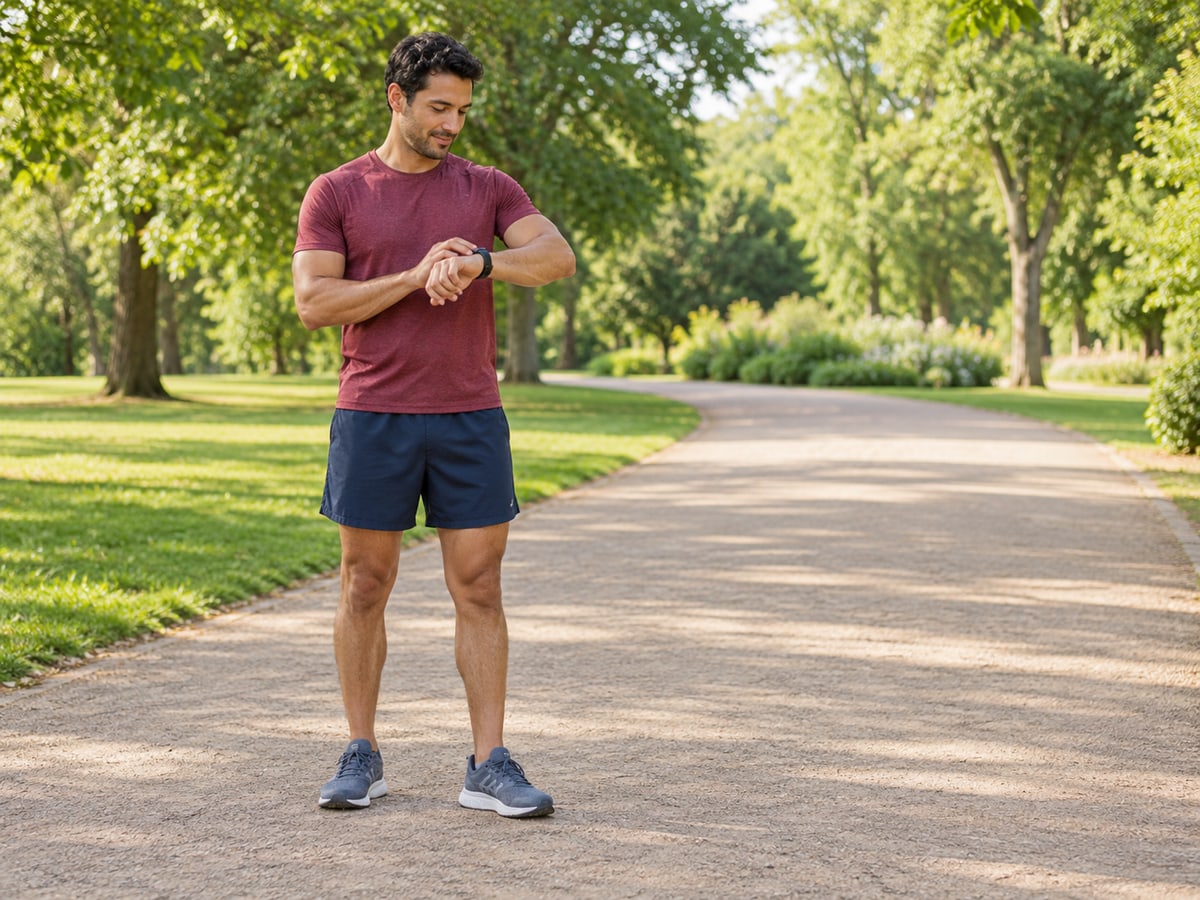
If you already walk regularly, adding brisk intervals can raise a useful planning question: should the next session contain more walking, or should each brisk minute be faster? Make one change you can describe and repeat. You do not have to turn every walk into a harder test.
This guide is for adults already comfortable walking for about twenty minutes who want to organise a modest stamina progression on a flat route. It offers a suggested twenty-minute session and a way to review it. It is not a ten-minute workout, a sprint plan or a clinically tested training protocol.
Keep the route and effort understandable
Choose a dry, level, well-lit path with room to pass other people and no need to cross traffic during an interval. Wear familiar walking shoes and suitable clothing. A simple audible timer is optional; stop somewhere clear of the path before adjusting it. You need no weights, steps or exercise support. Put the route, weather and approximate session time in your notes so the next walk is reasonably comparable.
Use effort rather than somebody else's watch speed. The CDC explains relative intensity: the same activity can feel different for people with different fitness. Its talk-test rule of thumb is that moderate activity allows talking but not singing. Being able to say only a few words before taking a breath suggests vigorous effort. Our brisk intervals aim for the moderate conversation range, not a race.
A twenty-minute baseline to repeat
Start only if this amount of walking is already manageable for you. If it is not, keep your usual shorter easy walk and build from that with suitable guidance. The windows below include every easy interval and both ends of the session.
| Time | Suggested activity | Decision to make |
|---|---|---|
| 0:00–5:00 | Easy walking, gradually finding a comfortable rhythm | Does the route and today's effort still suit the plan? |
| 5:00–15:00 | Five rounds: one minute brisk, then one minute easy | Can you keep the brisk section conversational and let effort settle in each easy minute? |
| 15:00–20:00 | Easy walking to finish, slowing as comfortable | Finish without adding a final speed challenge. |
The first brisk minute begins after the five-minute easy start. The fifth easy minute ends at fifteen minutes, leaving five minutes to finish gently. Take longer easy periods or stop early if needed; then record what you actually did rather than calling it the full session. Looking ahead and walking naturally matter more than hitting an exact pace.
Repeat before deciding what to add
After the walk, note the number of rounds, whether the easy minutes felt sufficient and whether the final brisk minute resembled the first. At your next planned walk, consider how you felt later that day and whether ordinary walking still feels comfortable. These are practical review prompts, not diagnostic tests or proof that a specific fitness change has occurred.
If you rushed, repeatedly needed extra recovery, or changed the route substantially, repeat an easier version before progressing. There is no rule here that the number of rounds must increase every week. Keep the wider week in view: an unusually demanding workday, another training session or a poor night's rest may make maintaining the current walk the sensible choice.
Choose time before chasing speed
The Physical Activity Guidelines for Americans recommend gradual increases at every activity level. Their more specific advice to build moderate-activity duration and frequency before intensity is addressed to inactive or low-activity adults. It is useful context for a cautious example, not a rule that an experienced walker must follow or proof that this interval pattern is best for you.
For this example, a small time change could mean adding one further one-minute brisk/one-minute easy round while leaving the five-minute opening and finish intact. That makes twenty-two minutes in total. Keep the same manageable brisk effort. Adding that round is optional; do it only when the current walk fits comfortably and you have time for the complete session.
Alternatively, keep twenty minutes and repeat it. If increasing pace is a specific goal, work on it separately with a qualified coach when appropriate. Do not simultaneously add rounds, remove easy minutes, choose a hill and chase a faster watch reading. Otherwise you cannot tell which change made the session harder.
Make the easier option explicit
Use thirty seconds of brisk walking followed by ninety seconds easy, keeping five two-minute rounds. This preserves the twenty-minute total while reducing the brisk portion. Or replace the intervals with your familiar easy walk. Neither version requires jogging, exaggerated strides or carrying weights.
Our uphill walking guide concerns changes in slope; this guide keeps the route flat and changes interval planning. For everyday movement at work, use the work-clothes walking break instead. A purposeful interval session and an ordinary movement break can have different jobs in your week.
Conditions that change today's plan
Check local weather and route conditions. The CDC heat guidance recommends cooler exercise times where possible, gradual pacing and ready access to water. In heat, shortening or rescheduling may be more useful than trying to maintain yesterday's pace. Northern cooler weather, Southern spring and tropical humidity each need a local check.
Stop for pain, dizziness, faintness or feeling unwell. Seek urgent help for chest pain, collapse or severe breathing difficulty. If a health condition, pregnancy, injury or a recent procedure affects your activity, get individual advice before adding intervals. You can ask a qualified professional to adapt the route, session length and progression; this article cannot assess them for you.
Sources checked 31 October 2026. The clock and progression examples are editorial suggestions, not a study result or a guaranteed stamina gain. Photographs show a fictional AI-generated adult and do not demonstrate a fitness outcome.