Articles are currently available in English.
Nutrition
A Meal Before Your Workout? Choose the Gap, Not a Deadline
By Sweat & Snack · 2026-11-03
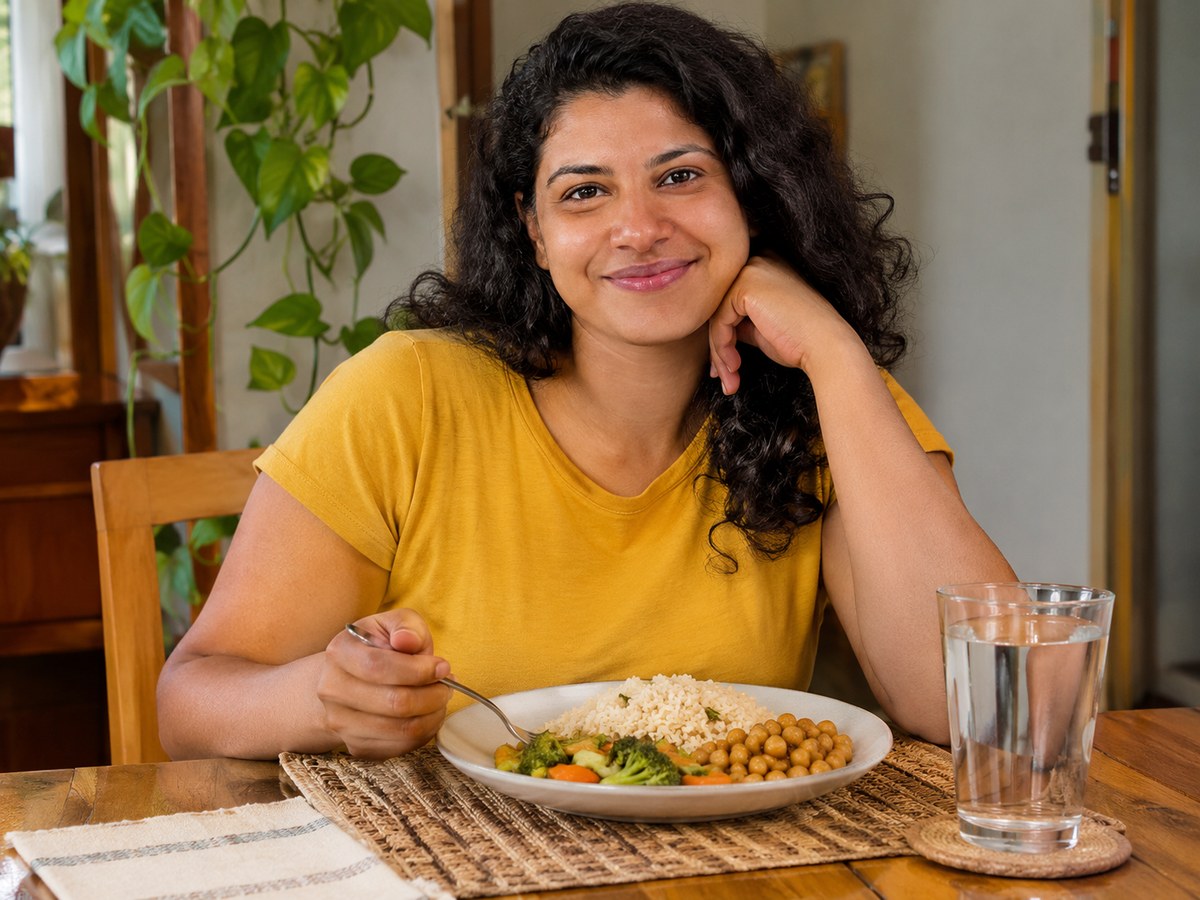
You finish lunch and notice the workout starts soon. There is no single waiting time that fits a full meal, a small snack, a gentle walk and a demanding training session. The useful decision is how to fit the food you actually ate to the session you actually planned.
This guide concerns ordinary meal scheduling for generally healthy adults, not treatment for digestive symptoms or a personalised sports-fuelling prescription. A meal's nutrient values vary by ingredients, brand, preparation and serving size; timing alone does not tell you whether the meal meets your needs.
Use a range as a starting point, not permission from a timer
Mayo Clinic's eating-and-exercise guidance gives general starting ranges of around3–4hours after a large meal and1–3hours after a small meal or snack before a workout. It also notes that some people tolerate a small snack close to exercise. These are planning guides, not universal minimums that prove you are ready at the last minute.
A large lunch and a few crackers are different eating occasions. So are a comfortable short walk and a long or vigorous session. Do not apply an athlete's carefully practised race-day meal schedule to every ten-minute movement break. Equally, do not assume that feeling hungry proves a demanding workout needs no food planning.
Ask four questions before changing your meal
- What did I actually eat? Note roughly how much and whether it was a familiar meal or something new. You do not need to weigh every ingredient to distinguish a substantial dinner from a light snack.
- What does the session involve? Consider duration and intensity, plus whether it contains repeated jumps, fast running or other movements you find uncomfortable after eating.
- How do I feel now? Fullness, nausea or discomfort are reasons to reassess. A clock cannot override those observations.
- What can I change today? You may be able to move the session, choose a gentler activity or shorten the plan. Missing an arbitrary start time is not a reason to rush or skip meals as punishment.
Three practical situations
Lunch just ended; you planned a hard gym session. A practical option is to give yourself a longer gap and move the session. If that is impossible, consider a different, easier activity you already know you tolerate. This article does not prescribe a hard workout immediately after a large meal.
A small familiar snack; an ordinary session later. Use your prior experience and the planned activity to choose a sensible gap. Do not keep adding food simply because someone else's schedule says to snack twice. For fruit-specific choices, see whole fruit before exercise.
A short, easy movement break between work tasks. It does not need to copy a competition-fuelling plan. Keep the activity comfortable and stop if eating has left you feeling unwell. If you want a harder or longer session later, plan that separately rather than quietly making the short break more demanding.
Keep a short experiment log
On an ordinary day, record the meal, rough interval, activity and how it felt. Keep the meal and activity familiar while you learn what suits you. Change one thing at a time rather than simultaneously shrinking the meal, adding coffee and making the workout harder.
An entry might read: “usual rice-and-vegetable lunch; later easy session; comfortable.” Another might say: “large unfamiliar lunch; felt too full; postponed the run.” Neither is a failure. Avoid turning the notes into a restrictive food rule or a demand to ignore hunger.
What this question does not answer
The waiting gap is separate from choosing a drink, planning food during long training or deciding when to eat afterward. Our pre-workout drink guide and snack-or-dinner decision cover those different questions. There is no promise that a precise interval will improve performance or prevent every digestive problem.
If you have a medical condition, prescribed meal or medication timing, pregnancy-related needs, a history of disordered eating or recurring exercise-related symptoms, seek individual advice rather than changing the schedule from this guide. Visit our conditions information for the boundaries of general content. Stop exercise for concerning symptoms and obtain appropriate help.
Use our nutrition guide for everyday meal context. The best next step is a repeatable, comfortable plan that fits your food and session, with room to adjust. For future planning tools, join the Sweat & Snack waitlist.