Articles are currently available in English.
Exercise
Back to Lifting After a Break? Plan the First Session
By Sweat & Snack · 2026-11-04
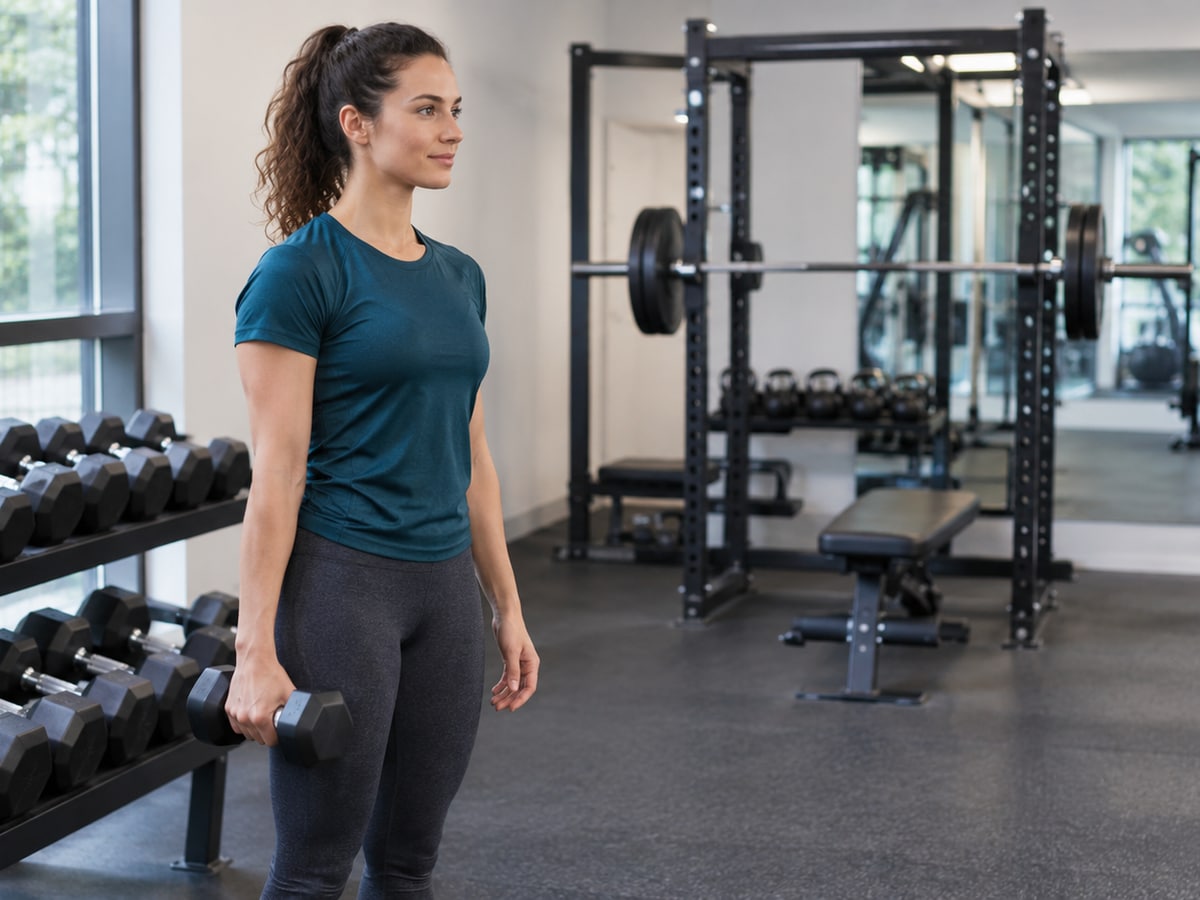
Two weeks away from lifting does not erase everything you learned, but it changes what you know about today. Your previous training record shows what you did then; it cannot tell you exactly how the same load will feel now. The useful first-session question is how to regain a clear view of your current technique and tolerance without trying to prove that the break did not happen.
This is for someone who already knows their movements and wants a practical return after a short interruption. It is not a rehabilitation plan after injury or illness. If your break involved pain, surgery, fainting, unusual breathlessness or a medical restriction, get individualized clearance and guidance before resuming.
Start with a familiar plan, but treat it as a reference
Look at one ordinary session from before the break. Choose familiar movements with equipment you can set up safely. Keep the order simple and leave room for a normal warm-up and full transitions. ACSM's updated resistance-training guidance emphasizes matching a programme to the person's goals and safety, rather than a universal prescription. Your return day is one part of that individual planning.
Do not make the first day a new maximum test, a new exercise experiment and a high-volume catch-up all at once. You would lose the ability to tell which change made the session difficult. A coach can help if your usual programme involves heavy technical lifts or competition preparation.
Set up the first session
- Check the space and equipment. Put weights where they cannot roll into a walkway; set any rack or safety supports before lifting.
- Begin with the warm-up you know, and use easier familiar versions to check balance, range and control. Do not rush into the previous working load.
- Choose a manageable first working effort. Use your planned repetitions as a ceiling, not a target you must force if form changes.
- Rest long enough to set up each next effort carefully. A shorter session is allowed; shortening the rest merely to fit all old sets is a different, harder challenge.
- Write down the movement, load, repetitions and any form or symptom changes. Stop if pain, dizziness, chest discomfort or unusual breathlessness occurs and seek appropriate help.
ACSM's free-weight guidance describes the importance of learning technique and using appropriate spotting. After a break, choose a setup you can exit safely. A spotter or qualified coach may be prudent for a familiar lift that is still technically demanding. Do not rely on a rushed partner or unsecured equipment.
Let the first session answer one question
The question is whether you can move through your familiar pattern with control today. A brief session log such as “comfortable warm-up, first set controlled, needed more rest before the second” is more useful than “back to normal.” If a movement feels unexpectedly awkward, reduce the challenge or leave it for another day. A lighter or shorter first visit is a valid information-gathering session.
The CDC advises starting slowly and building gradually when returning to activity. It does not specify one safe percentage of your old load for every person or every exercise. Avoid copying a fixed “return at 70%” rule from a social post when your break, skill, health and equipment differ.
Check the next day before increasing work
After the session, note how you slept, whether ordinary movement feels normal and whether any concerning symptoms appeared. Some tiredness or muscle soreness can occur after unfamiliar work, but severe or persistent pain is not a badge of a successful comeback. Do not use soreness alone as a score of training quality.
On the next planned session, decide whether to repeat, ease or modestly add one part of the work. Changing load, sets, exercise selection and frequency together makes the response harder to interpret. If you need a place to track the decision, use our simple workout-log guide. For the separate question of an awkward load jump, see what to do when the next dumbbell is too heavy.
Keep the return realistic
A work trip, exams or family demands may still limit the coming weeks. Plan a repeatable schedule instead of using one punishing session to compensate for missed days. If the interruption was only a few missed sessions, our missed-workout guide covers how to rearrange that week. Here the decision is the first lifting session after time away. It should leave you with a safe next step, not a record to defend.